F&F Surface Group · Flooring Guide
Carpet or Hardwood in the Bedrooms? How to Decide for a DMV Home
Updated November 2, 2026 · 7 min read
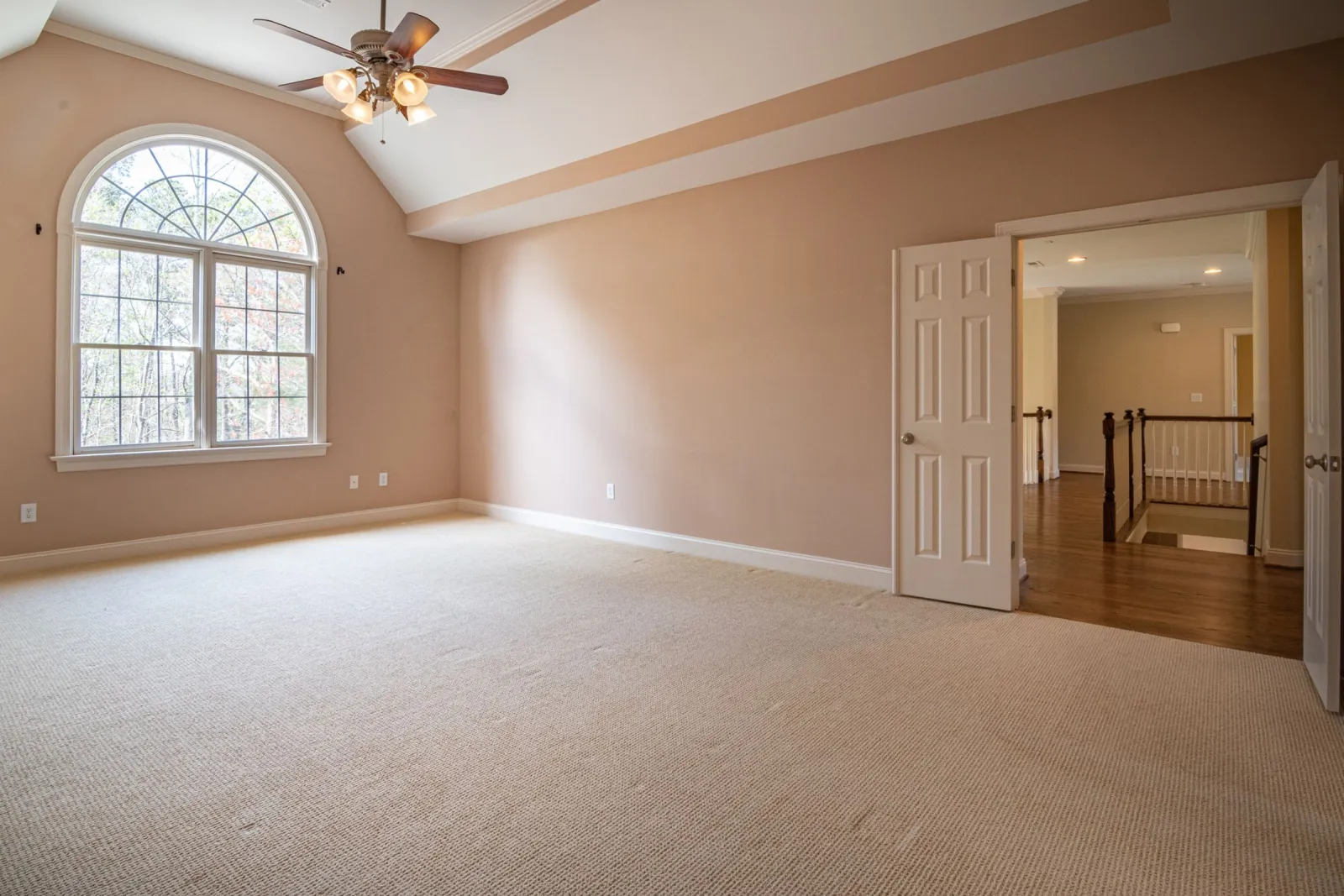
Walk through enough DMV houses and you see the same pattern: hardwood or luxury vinyl on the main level, then carpet the moment you reach the top of the stairs. Lately more homeowners are questioning that, and asking whether bedrooms should get hard floors too. There is no single right answer. It depends on who sleeps in the room, what is underneath it, and how long you plan to stay. Here is how to decide.
The case for carpet in bedrooms
- Warmth and comfort. Carpet is the first thing your feet touch in the morning. In an upstairs bedroom over a garage or in a basement bedroom, that warmth is noticeable all winter.
- Quiet. Carpet and cushion absorb footsteps. In a two-story colonial or a townhouse, a carpeted bedroom keeps noise from carrying to the living room or the bedroom below.
- Softer falls. For toddlers and young kids who play on the floor, carpet is gentler than any hard surface.
- Cost. Good carpet with a quality cushion usually costs less installed than hardwood and goes in quickly, often in a day for several bedrooms.
The trade-off is lifespan. Carpet in a bedroom typically lasts around ten to fifteen years before it looks tired, while hardwood can be refinished and last for generations. Our carpet buying guide explains how fiber, density and cushion decide how long a carpet keeps its looks.
The case for hardwood in bedrooms
- Lifespan. A solid hardwood floor can be sanded and refinished many times. Bedrooms see light traffic, so the finish lasts a long time between refinishes.
- Clean. Dust, pet hair and dander sit on top where a dust mop or vacuum picks them up, instead of working down into fibers. That is a real advantage for allergy sufferers.
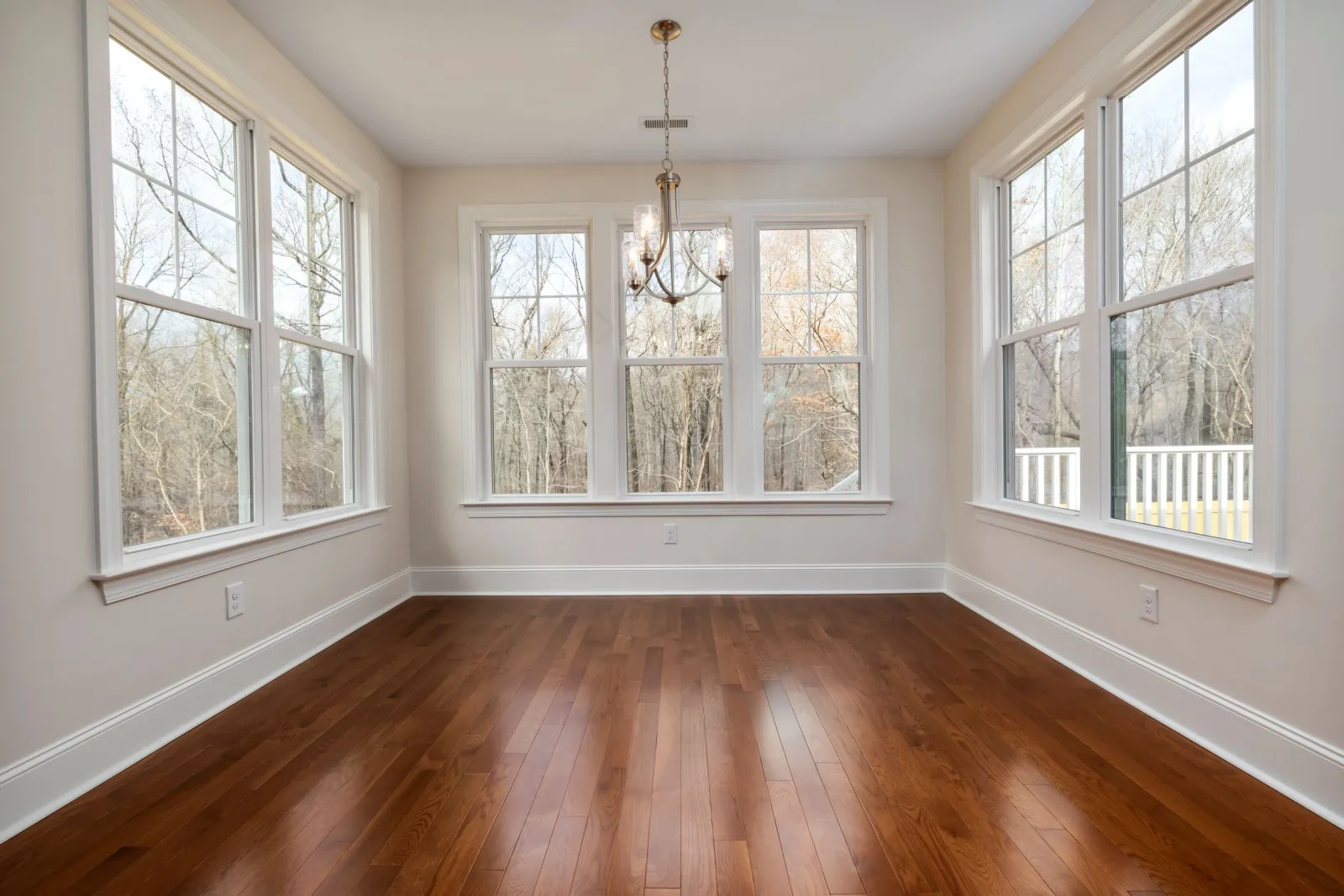
- One continuous floor. Running the same hardwood from the upstairs hall into every bedroom makes the whole floor feel larger and more finished.
- Resale. In many DMV neighborhoods, especially older Montgomery County and Northern Virginia homes, buyers expect hardwood throughout and notice when it is missing.
The trade-offs are noise, a cooler feel underfoot and a higher upfront cost. Most people solve the first two with a large area rug under the bed on a good rug pad, which gives a soft landing where it counts and leaves the wood exposed around the edges. Our species guide and engineered vs. solid comparison help with choosing the wood.
Luxury vinyl and laminate: the middle ground
Luxury vinyl plank and laminate give a wood look at a lower price than hardwood. They are good choices for kids' rooms, rental bedrooms and basement bedrooms. Laminate is the harder, more scratch-resistant surface; luxury vinyl is softer, quieter and waterproof. Both are floating floors, so the underlayment matters: a quality underlayment cuts the hollow sound these floors can have and reduces noise traveling to the room below. Our laminate vs. LVP guide compares them in detail.
Check under the carpet first
If your bedrooms already have carpet, lift a corner in a closet before you decide anything. Many DMV homes built from the 1920s through the 1960s have oak strip floors under the carpet, and refinishing an existing floor almost always costs less than installing a new one. Our guide to hardwood under carpet explains what to look for, and refinish or replace helps if the wood you find is in rough shape.
Newer homes are different. Houses built from the 1980s on often have only a plywood or OSB subfloor under bedroom carpet. Switching those rooms to hardwood means a new installation, and the floor height at each doorway changes, so plan transitions and door clearances as part of the job.
Room by room
- Primary bedroom. Hardwood with a large rug if you value longevity and a continuous look; plush or textured carpet if comfort and quiet matter most.
- Kids' rooms. Carpet for toddlers. For older kids, LVP or laminate handles spills, crafts and rolling chairs better.
- Nursery. Carpet or a hard floor with a large washable rug. Hard floors make cleanup of spills easier.
- Guest room. Light use, so either works. Match the hallway if you want the floor to feel continuous.
- Home office in a bedroom. A hard floor, because office chairs crush carpet and wear a path.
- Basement bedroom. Luxury vinyl or carpet with a moisture-tolerant cushion, over a slab that has been moisture-tested. See our basement flooring guide.
Pets and bedrooms
Dogs and cats that sleep in the bedroom bring hair, the occasional accident and claws. Carpet holds hair and odors and can be hard to fully clean after an accident. Hardwood shows claw scratches over time, especially in a glossy finish. Luxury vinyl or a hard, matte-finished hardwood like white oak or hickory tends to hold up best. Our flooring for homes with dogs guide goes into the details.
Where carpet meets hardwood
Mixing floors is completely normal: hardwood in the hall, carpet in the bedrooms. The transition belongs right under the closed door, so neither floor is visible from the other room. Carpet is tucked tight against the hardwood edge or finished with a low transition strip. If the bedroom floors change, also think about the stairs: carpeted stairs next to a hardwood landing is a common combination, and our guide to hardwood stairs covers the other option.
The short version
- Carpet wins on warmth, quiet and upfront cost.
- Hardwood wins on lifespan, cleanliness and resale in most DMV neighborhoods.
- LVP and laminate are a sensible middle ground for kids' rooms, rentals and basements.
- Look under the existing carpet before buying anything new.
- A large rug on hardwood gives you much of the comfort of carpet.
Frequently asked questions
Is carpet or hardwood better for bedrooms?
Neither is better in every house. Carpet is warmer, softer and quieter, which matters most in upstairs bedrooms over living space and in kids' rooms. Hardwood is easier to keep clean, lasts for decades with refinishing, and is what many DMV buyers expect. A common compromise is hardwood with a large area rug under the bed.
Does carpet in bedrooms hurt resale value?
Not usually in bedrooms. Many buyers expect hard floors on the main level but are comfortable with carpet upstairs. Worn or stained carpet does hurt a listing, though, and in neighborhoods where hardwood is standard, buyers may price in replacing it. If there is hardwood under the carpet, that is worth knowing before you sell.
Is carpet bad for allergies?
Carpet holds dust and pet dander in its fibers instead of letting them blow around, but that means it has to be vacuumed often with a good vacuum, ideally one with a HEPA filter, and deep cleaned periodically. Hard floors are easier to keep fully clean. If someone in the house has allergies or asthma, hard floors with washable rugs are the simpler choice.
Can you put carpet over hardwood?
Yes, and it is done often. The carpet's tack strip is nailed around the edges of the room, which leaves small nail holes near the walls if the carpet is ever removed. Those are usually hidden by baseboard or shoe molding or filled during a refinish. Staples from the pad can also mark the floor. It is not ideal, but it does not ruin hardwood.
What is the quietest bedroom flooring?
Carpet over a good cushion is the quietest, both for footsteps in the room and for noise traveling to the room below. For hard floors, a quality underlayment under luxury vinyl, laminate or floating engineered wood helps, and area rugs with rug pads absorb a great deal of sound.
Deciding between carpet and hardwood upstairs? Request a free estimate. We install carpet, hardwood, luxury vinyl and laminate, so we can price the bedrooms both ways, check what is under the current carpet, and give you a written quote for each option.
Keep exploring
- → See our carpet installation services
- → Carpet installation in Olney, MD
- → Hardwood flooring in Vienna, VA
- → Carpet installation in Bowie, MD
- → Flooring for a House With Dogs: Scratches, Accidents and Traction
- → Laminate vs. Luxury Vinyl Plank: An Honest Comparison
- → Waterproof & Basement Flooring for Maryland Homes